Common on older Central Florida homes
Crawl Space Restoration in Orlando, FL
Older homes around Orlando sit on crawl spaces that were screened decades ago with material that has long since failed. That space becomes a sheltered nesting area with direct access to the underside of the house.
Crawl spaces are the forgotten half of rodent work in this metro, largely because most Central Florida construction after the 1970s sits on a slab. The homes that do have crawl spaces are concentrated in the older neighborhoods, which is exactly where the housing stock is most likely to have accumulated decades of deferred maintenance underneath the floor.
The pattern is consistent. The perimeter was screened at some point with galvanized mesh or lath, that material rusted or tore, and the resulting opening gives a burrowing animal a dry, dark, undisturbed space directly beneath the living area. From there the route upward through plumbing and utility penetrations is short.
What makes crawl space work worth doing carefully is that it produces some of the widest quote variation in the entire trade. Homeowners in public forums regularly compare crawl space clean-out quotes differing by a factor of four or five for work described in similar terms, and the difference is usually scope that was never spelled out. This is a job where itemization matters more than almost anywhere else.
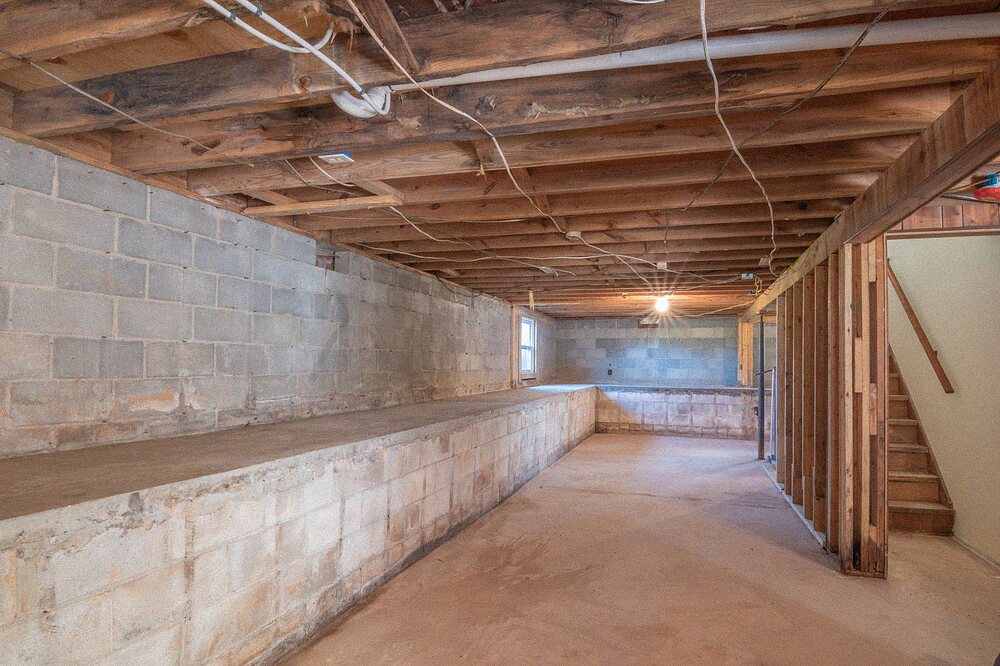
What a crawl space clean-out actually covers
Removal of nesting material, droppings and contaminated debris comes first, along with any insulation that has fallen or been pulled down and soiled. In an older Central Florida crawl space this often includes decades of accumulated material that has nothing to do with rodents, and a quote should be clear about whether general debris removal is included.
The vapor barrier is the next item and it is frequently the one that separates quotes. Many older crawl spaces either never had a barrier or have one that is torn, displaced or buried. Replacing it addresses moisture, which matters in Florida beyond the rodent question, since a damp crawl space brings its own problems in the form of wood decay and humidity moving into the house.
Sanitizing treatment follows removal, and then the exclusion work. That last part is what stops the space being reoccupied, and it is what a clean-out alone does not achieve. A crawl space cleaned and left open is a crawl space that will need cleaning again.
Getting the exclusion right underneath a house
Perimeter screening has to account for an animal that digs. Hardware cloth fastened at grade and stopping there is an invitation to go underneath, which is why effective work carries the mesh down and outward in an L shape below the soil line. It is more excavation and more labor than an attic seal and the price reflects that honestly.
Foundation and crawl space vents are the other route and they are usually easy to address. Original vent screening on an older home is rarely still intact, and replacing it in steel rather than the aluminum or plastic commonly supplied costs very little at the time the rest of the work is happening.
This is also where the strongest disagreement in public forums appears. Approaches that get recommended range from trenching and L screening through to a poured rat slab, and homeowners report being quoted very different solutions for the same problem. The right answer depends on soil, access and how established the burrowing is, and any quote should explain why the chosen approach suits your specific crawl space.
Where the money actually goes
Access is the single biggest cost driver and it is invisible from outside. A crawl space with three feet of clearance and a proper hatch is a straightforward working environment. A fifteen inch crawl space that has to be worked lying flat, dragging material out by hand through a small opening, is a completely different job on the same square footage.
The second driver is what is down there beyond rodent material. Old ductwork, abandoned building materials, decades of debris, and standing moisture all add scope. A homeowner comparing two quotes should establish whether both include general debris removal or only rodent-related material.
The third is the vapor barrier and whether encapsulation is being proposed. Encapsulation is a legitimate and useful treatment for a damp crawl space, and it is a separate product from rodent remediation. Where it appears bundled into a rodent quote without explanation, it is worth asking whether you need it now or whether it is a decision you can make separately later.
How Crawl Space Restoration Is Done
Clean-out follows the removal work, and the exclusion follows the clean-out, for the same reason it does in an attic.
- 1
Inspection and access assessment
Clearance height, hatch condition, moisture, the extent of contamination, and evidence of burrowing along the perimeter. Access difficulty is established honestly because it drives the cost.
- 2
Remove the animals
Trapping on established runs and at burrow entrances until activity stops, before anything is sealed underneath the house.
- 3
Clean-out
Nesting material, droppings, fallen and contaminated insulation and general debris removed and bagged, followed by sanitizing treatment.
- 4
Vapor barrier and moisture
A new barrier laid where the existing one is absent or failed, which matters in Florida for reasons well beyond rodents.
- 5
Perimeter exclusion
Hardware cloth carried below grade where burrowing is happening, vents rescreened in steel, and utility penetrations sealed.
What This Costs in Orlando
Crawl space pricing varies more than any other part of this trade, and access height is the reason. The same square footage worked at three feet of clearance and at fifteen inches are genuinely different jobs.
| Service | Typical range | What moves the number |
|---|---|---|
| Crawl space clean-out | $800 to $3,300 | Access height, contamination level, volume of debris |
| Vapor barrier replacement | $0.50 to $1.50 per sq ft | Square footage and whether the old barrier needs removing |
| Perimeter screening below grade | $600 to $2,500 | Linear footage and depth of excavation required |
| Vent rescreening in steel | $120 to $600 | Number of foundation and crawl space vents |
| Insulation removal from underside | $1.00 to $2.50 per sq ft | Where subfloor insulation has fallen or been contaminated |
These are typical ranges for the greater Orlando metro. Every property is different, and the free inspection produces the actual figure with each part of the job priced as its own line item.
Why Homeowners Choose Us for This Work
Access height is priced honestly up front
A fifteen inch crawl space is not the same job as a three foot one, and pretending otherwise produces either a padded quote or a change order later. The inspection establishes clearance and the quote reflects it.
Screening carried below the soil line
A burrowing animal goes under mesh that stops at grade. Hardware cloth carried down and outward in an L shape is the approach that holds, and it is the difference between exclusion that works and exclusion that looks finished.
Experienced, state-registered technicians
The technicians who come to your property are registered with the State of Florida, carry their own insurance, and represent more than 30 years of combined pest control experience. Someone answers this line 24 hours a day.
What Reddit Says About Crawl Space Rodent Work in Orlando
Crawl space threads produce the sharpest cost disagreement anywhere in public rodent discussion. In one representative thread a homeowner facing a quote around 16,000 dollars was answered by someone who had a heavily contaminated crawl space cleaned, including damage from a failed sewer pipe, for roughly 3,300 dollars. Multiple commenters urged getting further bids. The scale of that gap is not necessarily dishonesty, and it usually reflects genuinely different scopes, but it is why homeowners are advised repeatedly to get the work itemized.
On method, forum opinion splits in ways worth knowing before you take a quote. A pest control operator in one discussion advised against trenching and L screening for burrowing rodents and pushed toward more substantial approaches, while a homeowner in the same thread reported being quoted an 18 inch screen carried below the foundation. Others discussed encapsulation and whether it was necessary for a rodent problem or a separate moisture decision being bundled in. The practical takeaway is to ask why the proposed approach suits your crawl space specifically.
The most repeated piece of advice is also the most actionable: get under there yourself first if you safely can, with a suit, a mask and a light, and see the actual condition rather than relying on a description. Commenters make this point in nearly every crawl space thread, and it is reasonable, with the caveat that a crawl space with active rodent contamination is a place to wear a proper respirator rather than a dust mask.
What a Typical Job Looks Like
A typical project on a 1950s home with a low crawl space
The situation. An older single story home in one of the established neighborhoods, with noise under the floor rather than overhead, a musty smell in the hallway, and roughly fifteen inches of clearance beneath the joists. The original perimeter lath had rusted through in several places along the rear elevation.
What gets done. Trapping runs first at the burrow entrances and along the perimeter until activity stops. The clean-out removes nesting material, fallen subfloor insulation and a considerable amount of unrelated debris, and the space is sanitized. A new vapor barrier goes down, two foundation vents are rescreened in steel, and hardware cloth is carried below grade along the two elevations where burrowing was concentrated.
How it turns out. The noise under the floor stops and the musty smell clears once the contaminated material and the moisture path are both addressed. The below grade screening is what keeps it closed, since a perimeter that stops at the soil line on this kind of property gets tunnelled under within a season.
Common Questions
Do many Orlando homes have crawl spaces?
Fewer than in most of the country, since most construction here after the 1970s sits on a slab. Where crawl spaces exist they are concentrated in the older neighborhoods, which also tend to have the most deferred maintenance underneath the floor.
Why do crawl space quotes vary so much?
Access height and scope. The same square footage worked at three feet of clearance and at fifteen inches are very different jobs. Beyond that, some quotes include general debris removal, vapor barrier and encapsulation while others cover rodent material alone, and the descriptions can look identical.
Do I need my crawl space encapsulated?
Encapsulation is a moisture treatment and a legitimate one, and it is a separate decision from rodent remediation. Where it appears bundled into a rodent quote it is worth asking whether you need it now. A new vapor barrier addresses most of what a rodent job requires.
Can screening just be fastened at ground level?
Not against a burrowing animal. Mesh that stops at the soil line gets tunnelled under, which is the most common way crawl space exclusion fails. Hardware cloth carried down and outward below grade is what holds.
Should I go under there and look myself?
If you can do it safely, seeing the actual condition is genuinely useful before you accept any quote. Wear a proper cartridge respirator rather than a dust mask if there is rodent contamination, take a good light, and do not disturb material more than you need to.
Will cleaning the crawl space stop the smell in my house?
Usually, where the smell is coming from contaminated material and moisture below the floor. A dead animal in a wall cavity is a different problem handled differently, and persistent moisture without a vapor barrier will keep producing a musty smell regardless of how well the space is cleaned.
Related Services
Commercial Rodent Control
Restaurants, retail, warehouses and multifamily properties with inspection exposure.
Read more →Rodent Clearance Letters
Documentation for a real estate closing, lender or insurer.
Read more →Rodent Prevention Plans
Ongoing monitoring for properties that back onto woods, water or open land.
Read more →More about how we work on the about page, or get in touch to book a free inspection.
Get the Crawl Space Assessed Properly
A free inspection establishes access height, contamination and whether burrowing is happening, then prices the clean-out and the exclusion as separate items.