For closings, lenders and insurers
Rodent Clearance Letters in Orlando, FL
A home inspector noting rodent evidence in an attic can hold up a closing. A clearance letter is the document that resolves it, and it is a specific deliverable rather than a general report.
This is the service almost nobody in the Orlando market advertises, and it comes up more often than you would expect. A buyer inspection finds droppings in an attic, the lender or the buyer asks for evidence the issue has been dealt with, and suddenly a transaction is waiting on a piece of paper that the seller has no idea how to obtain.
A rodent clearance letter documents that a property has been inspected, that any activity found has been remediated, and that the entry points have been addressed. It is issued after the work is done, it is dated, and it is specific to the property. That is what makes it useful to a lender or an insurer, and it is why a general service invoice usually does not satisfy the request.
Timing is the pressure. These requests almost always arrive with a closing date already set, which means the sequence of inspection, remediation and documentation has to be compressed into whatever the contract allows. It is worth calling as soon as the inspection report raises it rather than waiting to see whether the other side insists.
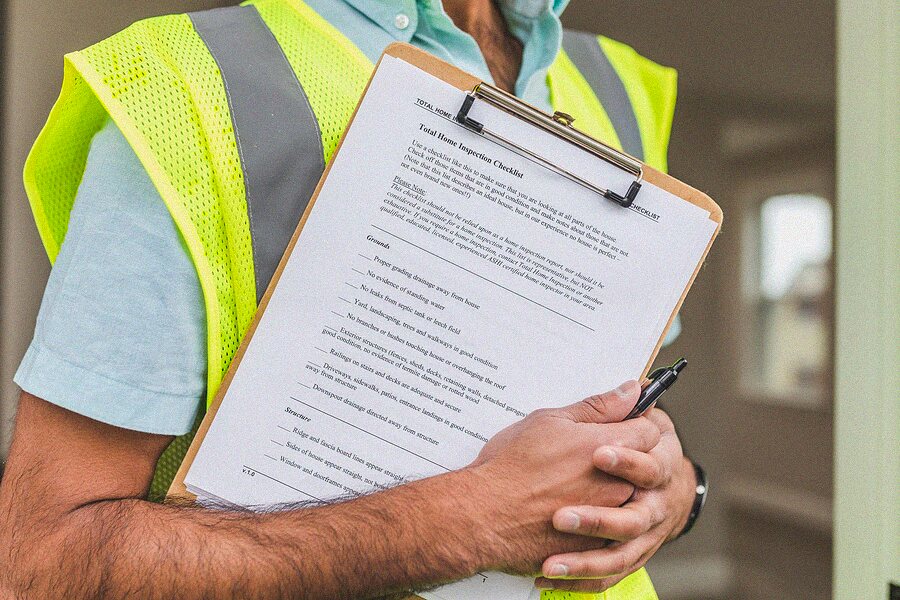
What the letter covers
The property address and the date of inspection, what was found including species and locations, what remediation was carried out, and the condition of the entry points at the time of issue. Where sealing work was performed, the letter records what was sealed. Where no activity was found, it records that the inspection was carried out and what it covered.
What the letter does not do is guarantee that no rodent will ever enter the property again, and any document claiming to do so should be treated with suspicion. It is a statement of condition at a point in time following inspection and remediation, which is exactly what a lender or insurer is asking for.
For transactions where the buyer and seller are negotiating over who pays for the remediation, the itemized quote produced at inspection tends to be as useful as the letter itself. It converts a vague concern in an inspection report into a specific number that can be credited or negotiated.
How this usually plays out in a transaction
The most common sequence starts with a general home inspector noting droppings, gnaw marks or insulation disturbance in an attic. General inspectors are not rodent specialists, so their reports frequently identify evidence without characterizing whether it is current or historic, and that ambiguity is what creates the problem. A specialist inspection resolves it either way.
Where the evidence turns out to be historic and there is no active population, that finding alone often satisfies the request, and the work required is limited to sealing any open entry points and documenting the condition. This is the outcome in a meaningful share of cases and it is much cheaper than either party expects.
Where there is an active problem, the transaction timeline dictates the approach. Trapping takes one to three weeks, which does not always fit a closing schedule, and in those cases the practical route is usually a documented remediation plan with funds held or credited rather than a completed job before closing. We will tell you plainly which situation you are in.
Buying an older Central Florida home
A pre-purchase rodent inspection is worth considering on older properties in this metro independently of whether anything has been raised, particularly on homes in the historic districts of Sanford, Longwood or Winter Park where the housing stock predates modern construction practice by decades.
Attics in these homes frequently have not been properly looked at in years, and the difference between finding contaminated insulation before closing and finding it afterwards is the difference between a negotiating point and a bill. The same applies to crawl spaces on the older stock.
It also matters for insurance. Some carriers ask questions about pest and rodent history, and having a dated inspection establishing the condition at purchase is more useful than reconstructing it later.
How a Clearance Letter Is Obtained
The sequence is inspection, remediation where needed, then documentation. Transaction timelines usually determine how much of it happens before closing.
- 1
Specialist inspection
A full attic, roofline and crawl space inspection establishing whether evidence found by a general inspector is current or historic, and what the entry point condition is.
- 2
Written findings and itemized quote
What was found, where, and what remediation costs, which is the document that makes a buyer and seller negotiation concrete rather than approximate.
- 3
Remediation where required
Trapping, sealing and cleanup as the findings dictate, sequenced against the closing timeline.
- 4
Verification
A follow-up check confirming activity has stopped and the entry points are closed before anything is issued.
- 5
Issue the letter
A dated, property specific document recording the inspection, the findings, the remediation performed and the entry point condition.
What This Costs in Orlando
Clearance work is priced separately from general inspection because it involves formal documentation and usually a verification visit. Where remediation is required it is quoted on the same basis as any other job.
| Service | Typical range | What moves the number |
|---|---|---|
| Clearance inspection and letter, no activity found | $150 to $400 | Property size and access; includes the written document |
| Clearance inspection with sealing work | $650 to $2,900 | Combines the inspection, entry point sealing and documentation |
| Full remediation and clearance | $1,200 to $5,000+ | Where an active population and contamination require full treatment |
| Verification visit and reissue | $100 to $250 | Where a letter is needed after work performed earlier |
| Pre-purchase rodent inspection | $150 to $400 | Worth considering on older properties regardless of the inspection report |
These are typical ranges for the greater Orlando metro. Every property is different, and the free inspection produces the actual figure with each part of the job priced as its own line item.
Why Homeowners Choose Us for This Work
We establish whether the evidence is historic
A general inspector reporting droppings has not established whether the activity is current. Where it turns out to be historic and the entry points are closed, that finding often satisfies the request on its own, and it is a far cheaper outcome than either party assumed.
Documentation built for the transaction
A dated, property specific letter recording inspection, findings, remediation and entry point condition, plus an itemized quote that turns a vague inspection note into a number the parties can actually negotiate over.
Experienced, state-registered technicians
The technicians who come to your property are registered with the State of Florida, carry their own insurance, and represent more than 30 years of combined pest control experience. Someone answers this line 24 hours a day.
What Reddit Says About Rodent Findings in a Home Sale
Home buying threads in public forums surface this situation regularly, and the recurring theme is uncertainty about how seriously to take an inspection note. Buyers post about droppings or gnaw marks flagged in an attic and ask whether it is a deal breaker, and the advice they get is consistently to establish whether the activity is current before treating it as a major issue. Evidence of historic activity in an attic that has since been sealed is a very different situation from an active population, and general inspection reports rarely distinguish between them.
The second theme is the discovery of scale after purchase. Homeowners describe buying a property, going years without entering the attic, and finding out much later how extensive the contamination and insulation damage were. Several threads involve people who bought homes where a previous owner had evidently declined a complete job for years, with one commenter noting that the previous owner had refused to pay for a complete solution and had lived with the problem instead.
The practical advice that emerges applies directly to anyone in a transaction. Get a specialist to establish whether activity is current, get the remediation itemized so it can be negotiated or credited rather than argued about in general terms, and take the attic seriously on older housing stock rather than assuming a general inspection has covered it properly.
What a Typical Job Looks Like
A common call ten days before a closing
The situation. A buyer inspection on an older home noted droppings and disturbed insulation in the attic without saying whether the activity was current. The lender asked for documentation, the closing date was ten days out, and neither party knew what the request actually required.
What gets done. A specialist inspection establishes that the droppings are historic, with no current activity, no fresh runs and no smudge marks. Two open entry points at a soffit return are found and sealed, the affected insulation area is assessed as minor and cleaned rather than replaced, and a dated letter is issued recording the inspection, the findings and the sealing work.
How it turns out. The closing proceeds on schedule. The outcome most worth noting is how much cheaper it was than either party had braced for, because the underlying question was whether the problem was live, and nobody had established that before the specialist looked.
Common Questions
What is a rodent clearance letter?
A dated, property specific document recording that an inspection was carried out, what was found, what remediation was performed, and the condition of the entry points at the time of issue. It is typically requested by a lender, an insurer or a buyer during a real estate transaction.
How fast can I get one?
Where no active problem is found, inspection and letter can usually be completed within a few days. Where remediation is needed, trapping takes one to three weeks, which does not always fit a closing schedule. Call as soon as it is raised rather than waiting.
Does the letter guarantee no rodents will return?
No, and any document claiming to would be worth treating with suspicion. It is a statement of condition at a point in time following inspection and remediation, which is what lenders and insurers are actually asking for.
The inspector found droppings but I have never heard anything. Is it a problem?
Possibly not. Evidence in an attic can be historic, sometimes years old, and general home inspectors usually report what they see without establishing whether it is current. A specialist inspection distinguishes between the two, and historic evidence with sealed entry points is a much smaller matter.
Who usually pays for the remediation, buyer or seller?
That is a negotiation rather than a rule, and it is why the itemized quote matters. Converting a vague inspection note into a specific cost gives both sides something concrete to work from, whether that ends as a credit, a price adjustment or completed work before closing.
Should I get an inspection before buying an older home?
On older Central Florida stock it is worth considering, particularly in the historic districts where attics and crawl spaces may not have been properly examined in years. Finding contaminated insulation before closing is a negotiating point. Finding it afterwards is a bill.
Related Services
Rodent Prevention Plans
Ongoing monitoring for properties that back onto woods, water or open land.
Read more →Emergency Rodent Removal
A rodent in the living space, or noise you cannot sleep through. Same-day response.
Read more →Roof Rat Removal
The rat that gets into Central Florida attics, and how it is removed for good.
Read more →More about how we work on the about page, or get in touch to book a free inspection.
Get the Documentation Your Closing Needs
Specialist inspection that establishes whether activity is current, remediation where it is needed, and a dated letter built for a lender or insurer.