Repairing what they chewed, and referring what we should not
Rodent Damage Repair in Orlando, FL
Rodent incisors grow continuously, so gnawing is constant rather than occasional. The damage runs from chewed fascia and destroyed vent screens through to torn ductwork and gnawed wiring.
Damage repair sits awkwardly in this trade because some of it belongs to a rodent company and some of it genuinely does not. A chewed soffit panel is our work, and it has to be, because it is simultaneously an entry point. Gnawed electrical wiring is not our work under any reasonable reading, and a company that offers to handle it should worry you rather than impress you.
The reason there is so much damage to discuss is biological. Rodent incisors grow continuously throughout the animal life and have to be worn down, so gnawing is a constant behavior rather than something driven only by hunger or nest building. In an attic, the things available to gnaw are wiring insulation, flexible ductwork, plumbing lines, roof decking, stored belongings and the structural timber itself.
What we do is assess all of it honestly, repair what falls inside a rodent and exclusion scope, and tell you clearly which trade the rest belongs to. Being told that two items on your list need an electrician is more useful than being quoted for work by someone who should not be doing it.
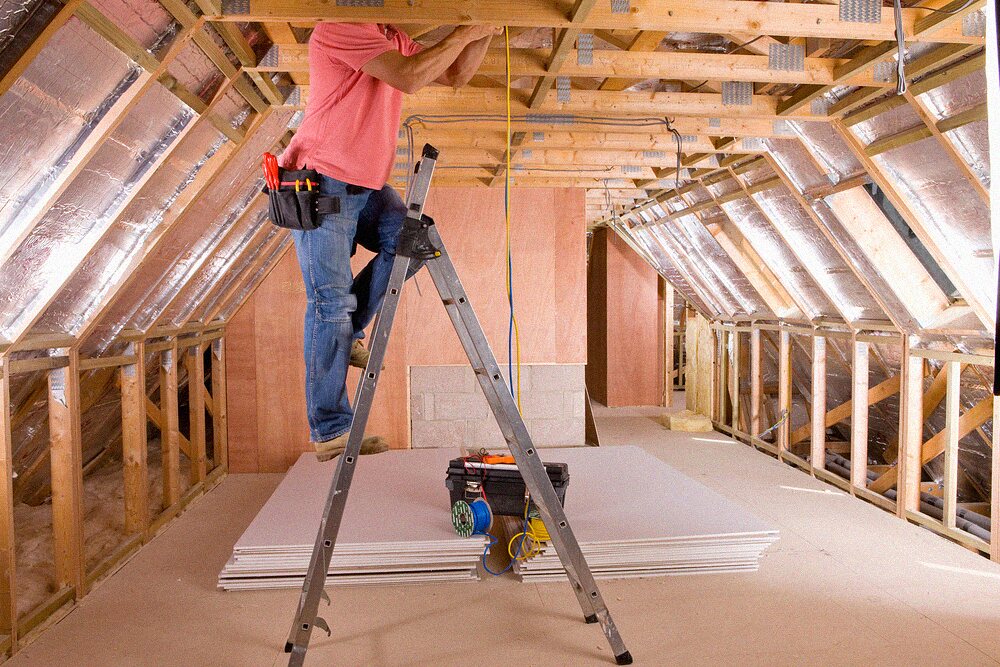
Damage we repair as part of the work
Soffit panels, fascia boards and vent frames are the core of it, and they matter most because damaged timber at the roofline is both cosmetic damage and an open door. Repairing these properly is part of exclusion rather than an extra, because screening over rotted or chewed wood is a temporary measure that fails within a season or two.
Gable vents, roof vents, foundation vents and dryer vent covers get rebuilt or replaced and then screened in steel rather than the plastic mesh most are supplied with. Plastic vent screening is the single most commonly defeated component on a Central Florida house and replacing it in steel at the same time as the exclusion costs very little extra.
Garage door seals, weather stripping and door sweeps fall in the same category. They are inexpensive, they are a genuine entry route particularly for mice and Norway rats, and they are frequently the item a cheaper quote silently omits.
Damage we assess and refer
Gnawed electrical wiring is the most serious thing we find and the clearest referral. Damaged wiring in an attic is a fire risk and it belongs to a licensed electrician. What we do is document it, photograph it where possible, and tell you precisely where it is so the electrician is not searching. Finding it is common, particularly once insulation has been removed and the deck is bare.
Torn or detached flexible ductwork goes to an HVAC contractor. It is worth taking seriously beyond the rodent question, because a torn duct in a 130 degree Central Florida attic means the system is conditioning the attic while the house stays warm, and homeowners routinely find this is what a mysterious power bill increase was about.
Structural timber damage beyond fascia and soffit, damaged plumbing lines and anything involving the roof covering itself go to the appropriate trade as well. The principle is simple: we handle the building envelope where it relates to keeping animals out, and we tell you honestly about everything else.
What this means for your quote
A quote that bundles all damage into one number without identifying what is being repaired and by whom is worth questioning. Repairs are listed individually on the quotes we produce, both so you can see what is included and so you can decide whether to stage some of it.
It also matters for insurance. Some homeowner policies cover certain categories of sudden damage while excluding damage attributed to gradual infestation, and the distinction usually turns on documentation. A photographed and itemized damage assessment is considerably more useful to an insurer than a line reading repairs, and it costs nothing extra to produce.
Where damage is extensive enough to change the economics of the job, we will say so. There is a point at which a badly damaged soffit run is better replaced wholesale by a carpenter than patched section by section, and pretending otherwise to keep the work in house does not serve you.
How Damage Repair Is Handled
Assessment first, then a clear split between what we repair and what belongs elsewhere.
- 1
Full damage assessment
Roofline, attic interior, vents, ductwork, visible wiring and stored contents, documented item by item with photographs where useful.
- 2
Separate the scopes
What is repaired as part of the exclusion, what is repaired separately, and what goes to an electrician, HVAC contractor or carpenter.
- 3
Repair the envelope
Soffit, fascia and vent frames repaired and then screened in steel, since these are simultaneously damage and entry points.
- 4
Replace defeated components
Plastic vent screening, worn door sweeps and garage seals replaced with materials that hold up.
- 5
Document the rest
Photographed and itemized findings for the trades taking the remaining work, and for your insurer if the damage is claimable.
What This Costs in Orlando
Envelope repairs are priced per item because that is how they actually vary. A single chewed soffit panel and a fifteen foot run of damaged fascia are very different jobs, and bundling them into one number hides which is which.
| Service | Typical range | What moves the number |
|---|---|---|
| Soffit or fascia repair | $250 to $1,400 | Linear footage, height, and whether timber needs replacing |
| Vent rebuild and steel rescreening | $120 to $600 | Number and type of vents |
| Garage seals and door sweeps | $80 to $350 | Number of doors and seal type |
| Full damage assessment with documentation | Free with service | Photographed and itemized, useful for insurance |
| Wiring and ductwork | Referred out | Documented and located for your electrician or HVAC contractor |
These are typical ranges for the greater Orlando metro. Every property is different, and the free inspection produces the actual figure with each part of the job priced as its own line item.
Why Homeowners Choose Us for This Work
Repairs are itemized line by line
You see each repair and its price, which lets you stage work if you want to and lets you compare the quote against anyone else. It also produces documentation an insurer can actually use.
We refer what should be referred
Gnawed wiring goes to a licensed electrician and torn ductwork to an HVAC contractor. Documenting exactly where it is means the next trade is not searching, and it means nobody is working outside what they should.
Experienced, state-registered technicians
The technicians who come to your property are registered with the State of Florida, carry their own insurance, and represent more than 30 years of combined pest control experience. Someone answers this line 24 hours a day.
What Reddit Says About Rodent Damage Repair in Orlando
The strongest theme in public forum discussion of rodent damage is that the repair is what actually matters, and that homeowners frequently discover its scale late. In squirrel threads in particular, commenters consistently argue that repairing the entry point properly is the part of the job worth paying for, because an animal that chewed through a fascia board once will exploit the same weakness again. Where quotes get defended as reasonable, it is usually on the grounds of ladder work, roof materials and return visits rather than the trapping itself.
Discovery of hidden damage runs through these threads as well. Homeowners describe opening walls or removing insulation and finding considerably more than they expected, and the advice that follows is to agree in advance how additional findings will be handled rather than discovering the answer mid-job. That is sound, and it is why we document findings item by item rather than presenting a single repair figure.
On scope, commenters with trade experience are fairly consistent that some of what gets quoted by pest companies belongs to other trades. The practical advice given to homeowners is to ask who is actually doing each piece of work and whether they are licensed for it, particularly where electrical work is involved. That question is worth asking of any quote you receive, including ours.
What a Typical Job Looks Like
A typical assessment after a long running attic infestation
The situation. A homeowner completing a rodent job that had run several months before they called anyone. Trapping and sealing were finished and the insulation had just been removed, leaving a bare attic deck visible for the first time in years.
What gets done. The bare deck assessment finds three separate items: an eight foot run of chewed soffit already scheduled as part of the exclusion, a length of gnawed wiring insulation on a lighting circuit, and a detached section of flexible duct that had been pulled away from a boot. The soffit is repaired and screened in steel. The wiring and the duct are photographed, located precisely, and referred to an electrician and an HVAC contractor.
How it turns out. The envelope is closed and repaired properly, and two problems the homeowner had no idea about get handled by the right trades. The duct in particular explains a cooling cost they had been puzzling over, which was doing more damage to their household budget than the rodents ever did.
Common Questions
Do you repair chewed electrical wiring?
No, and you should be wary of any rodent company that says yes. Damaged wiring in an attic is a fire risk and it belongs to a licensed electrician. We document it, photograph it and tell your electrician exactly where it is so they are not searching for it.
Is soffit repair included in the exclusion, or extra?
Repairing chewed or rotted soffit and fascia is part of doing the exclusion properly, because screening over damaged timber fails. It is listed as its own line item so you can see the cost, and it is genuinely necessary rather than an add-on.
Will my homeowners insurance cover rodent damage?
It varies by policy, and the distinction usually drawn is between sudden damage and damage attributed to gradual infestation. What helps in either case is documentation. Our damage assessment is photographed and itemized, which is considerably more useful to an insurer than a line saying repairs.
How do I know if my ductwork was damaged?
Often the first sign is a cooling bill that climbed without explanation, because a torn duct in a Central Florida attic conditions the attic instead of the house. It becomes visible during the attic inspection, and particularly once insulation has been removed.
Can the damage be repaired before the rodents are removed?
Repairing the entry point while animals are still inside seals them in, which creates a worse problem. Repairs at the roofline happen in the correct exclusion sequence, with the active routes left until the trapping has finished.
What if the damage is worse than the original quote?
It happens, especially once insulation comes out and the deck is visible. Anything found beyond the original assessment is documented and priced before the work goes ahead rather than appearing on a final invoice, which is the practice most of the complaints in this trade are actually about.
Related Services
Crawl Space Restoration
Clean-out, vapor barrier and screening for older Central Florida homes.
Read more →Commercial Rodent Control
Restaurants, retail, warehouses and multifamily properties with inspection exposure.
Read more →Rodent Clearance Letters
Documentation for a real estate closing, lender or insurer.
Read more →More about how we work on the about page, or get in touch to book a free inspection.
Get the Damage Assessed and Itemized
A free inspection documents every item with photographs, repairs what belongs in an exclusion scope, and tells you plainly which trade should handle the rest.